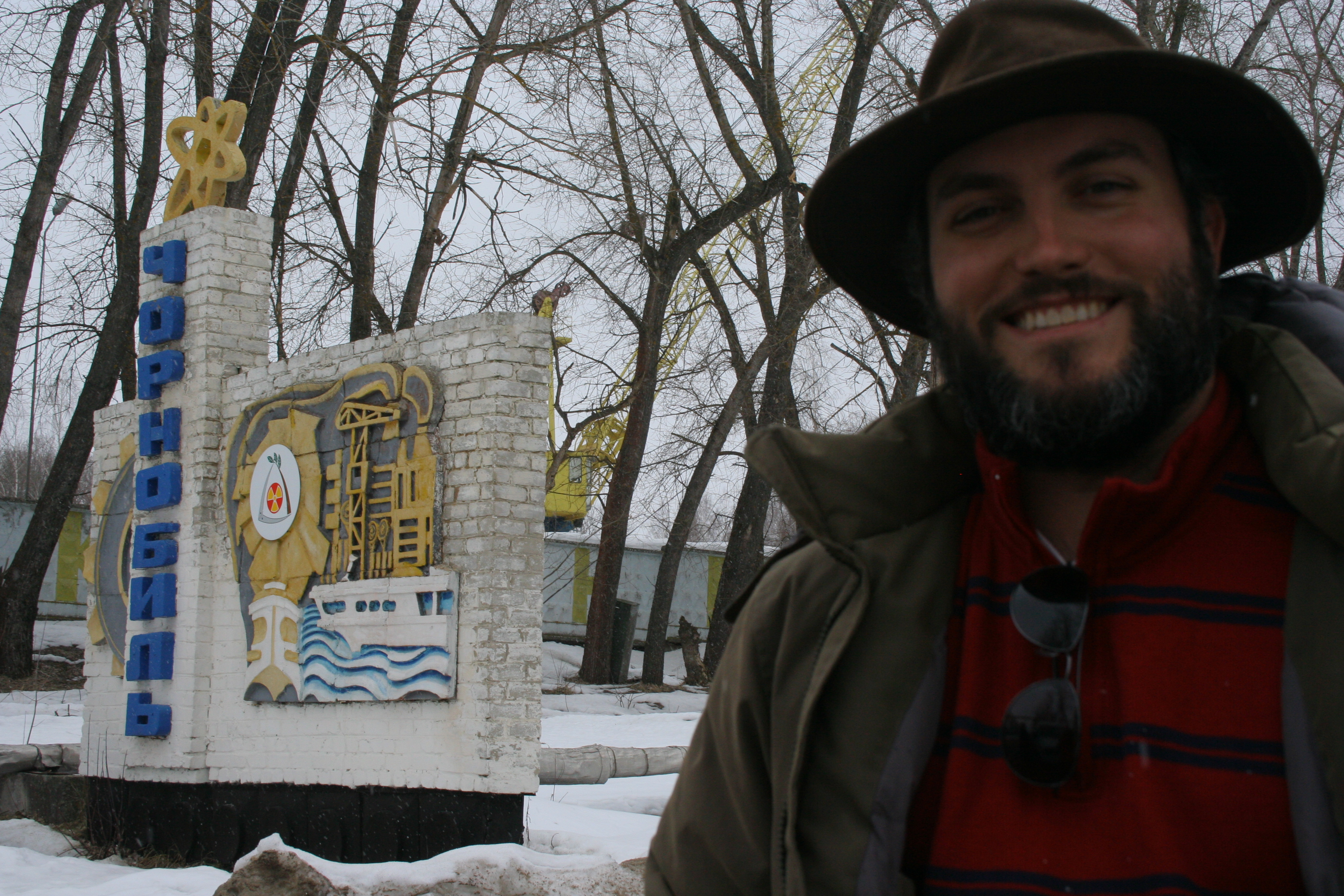
Early one Saturday morning in March, I left my hotel in Kiev and headed down to the McDonalds (cause it is always McDonalds) to meet up with representatives of Chernobylwel.com, the company that would be taking me on an adventure unlike any other, a trip into the radioactive lands of Ukraine. After several hours (the site, fortunately for the people of Ukraine, is a hundred kilometers from Kiev), we arrived at the border of the city of Chernobyl.
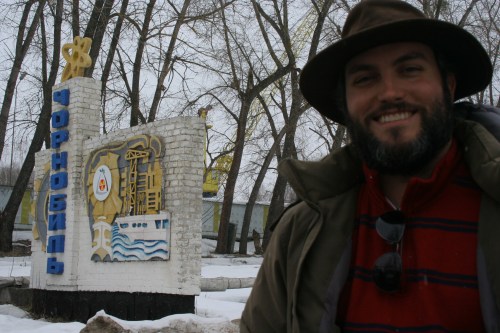
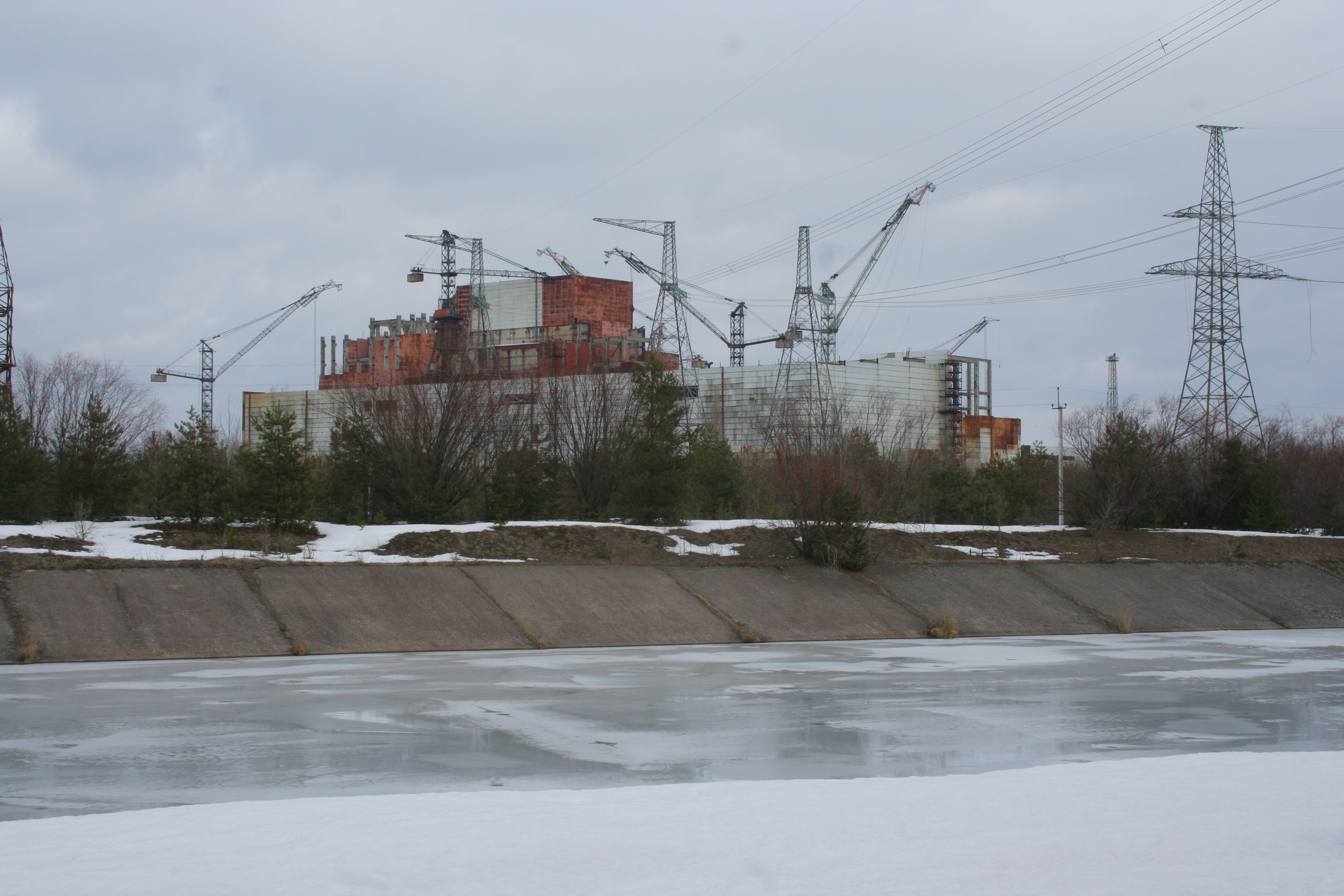
It was a city that was very proud of its selection as host to what was to be the largest nuclear power plant in the world, with twelve reactors providing enough electricity to light up all of eastern Europe. They only finished four. Here’s number five.
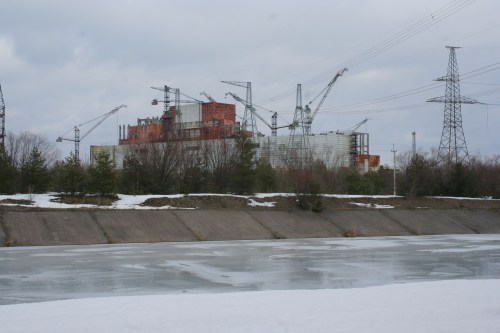
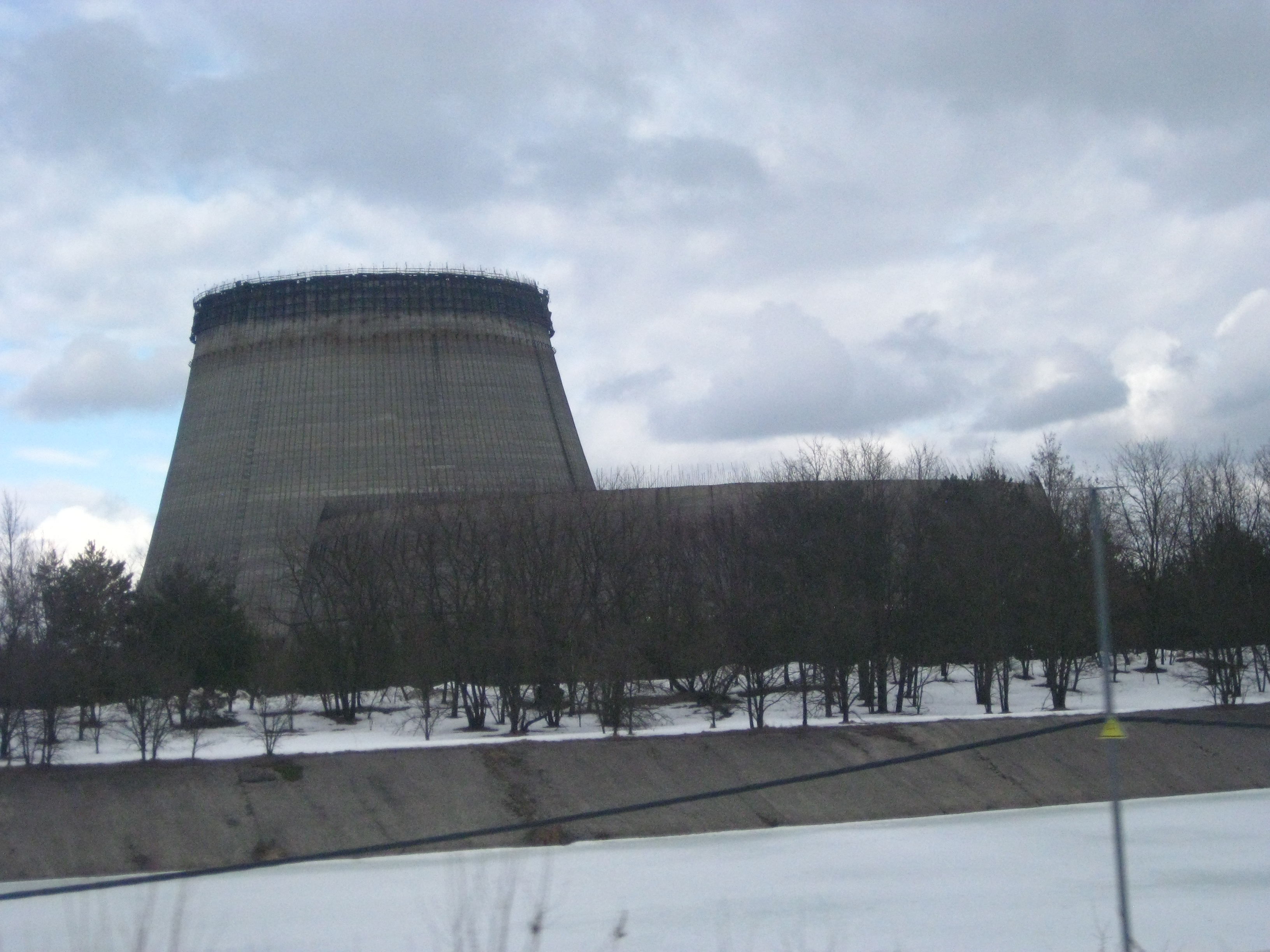
It is as they left it, 27 years ago, in the middle of construction. The entire facility, including the cranes used for construction, is irradiated. Dismantling it and selling it for scrap was not an option, and the cranes themselves are forever useless. Thus, they simply left it all in place, until one day time and the elements tears the whole thing down. Here are the half-constructed cooling towers.
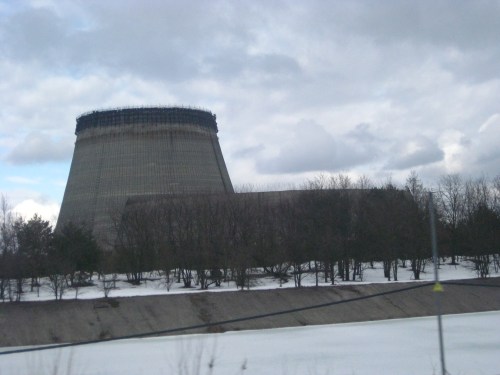
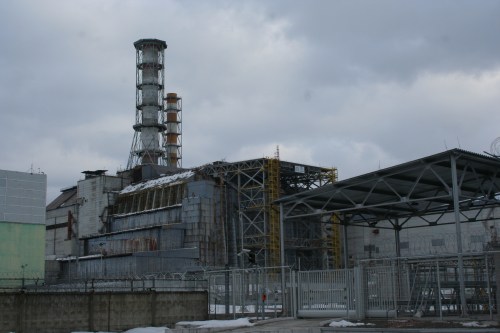
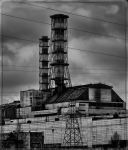
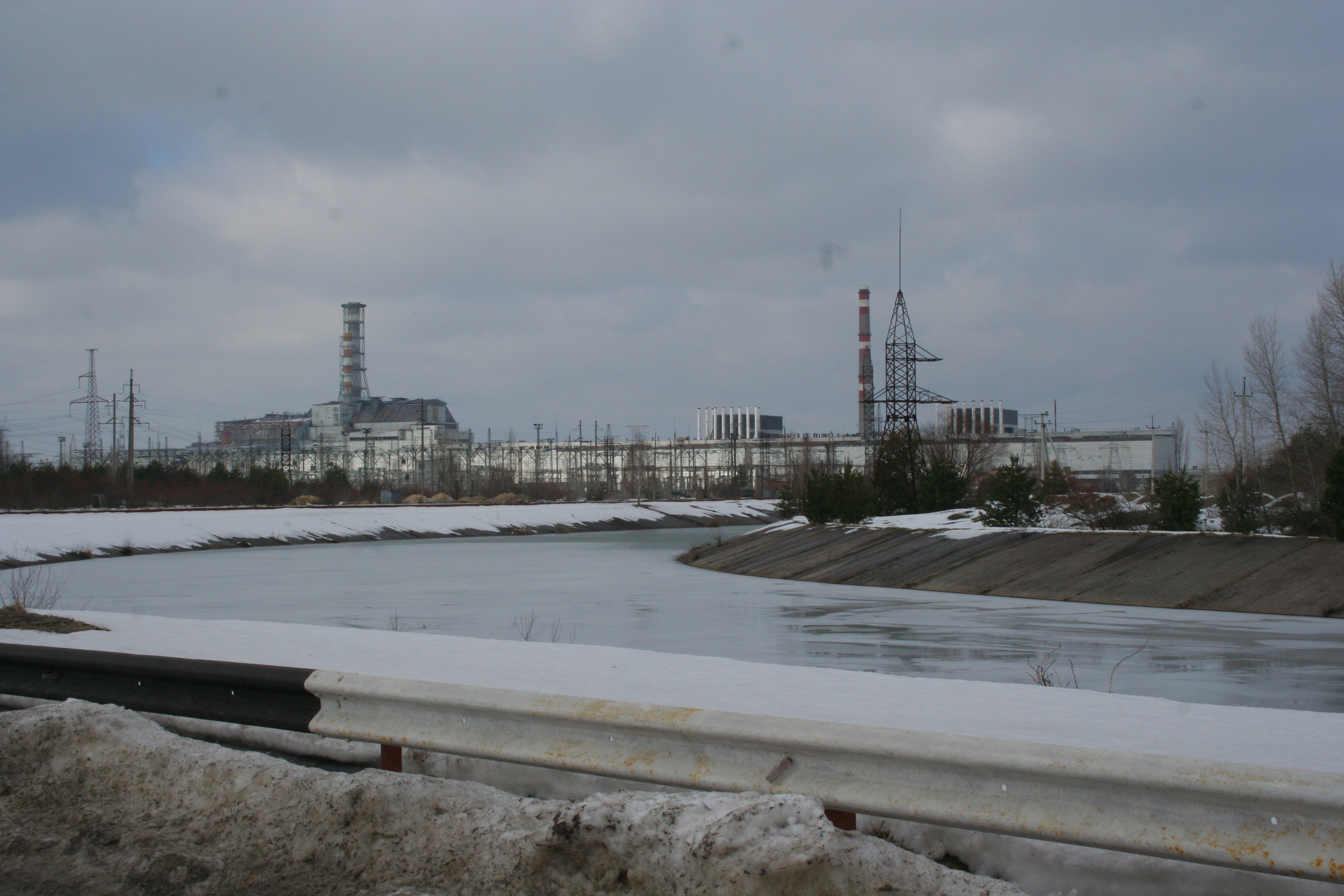
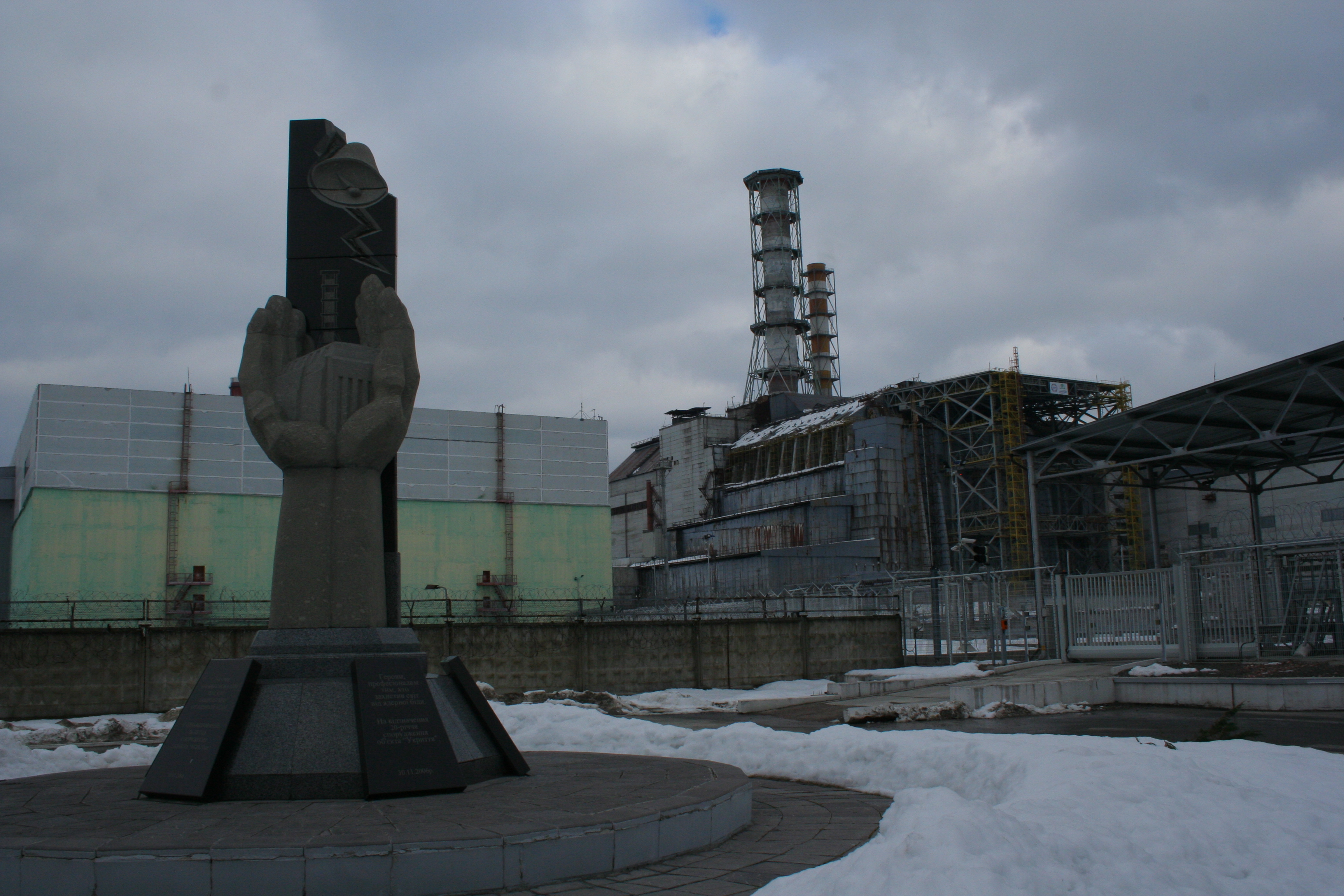
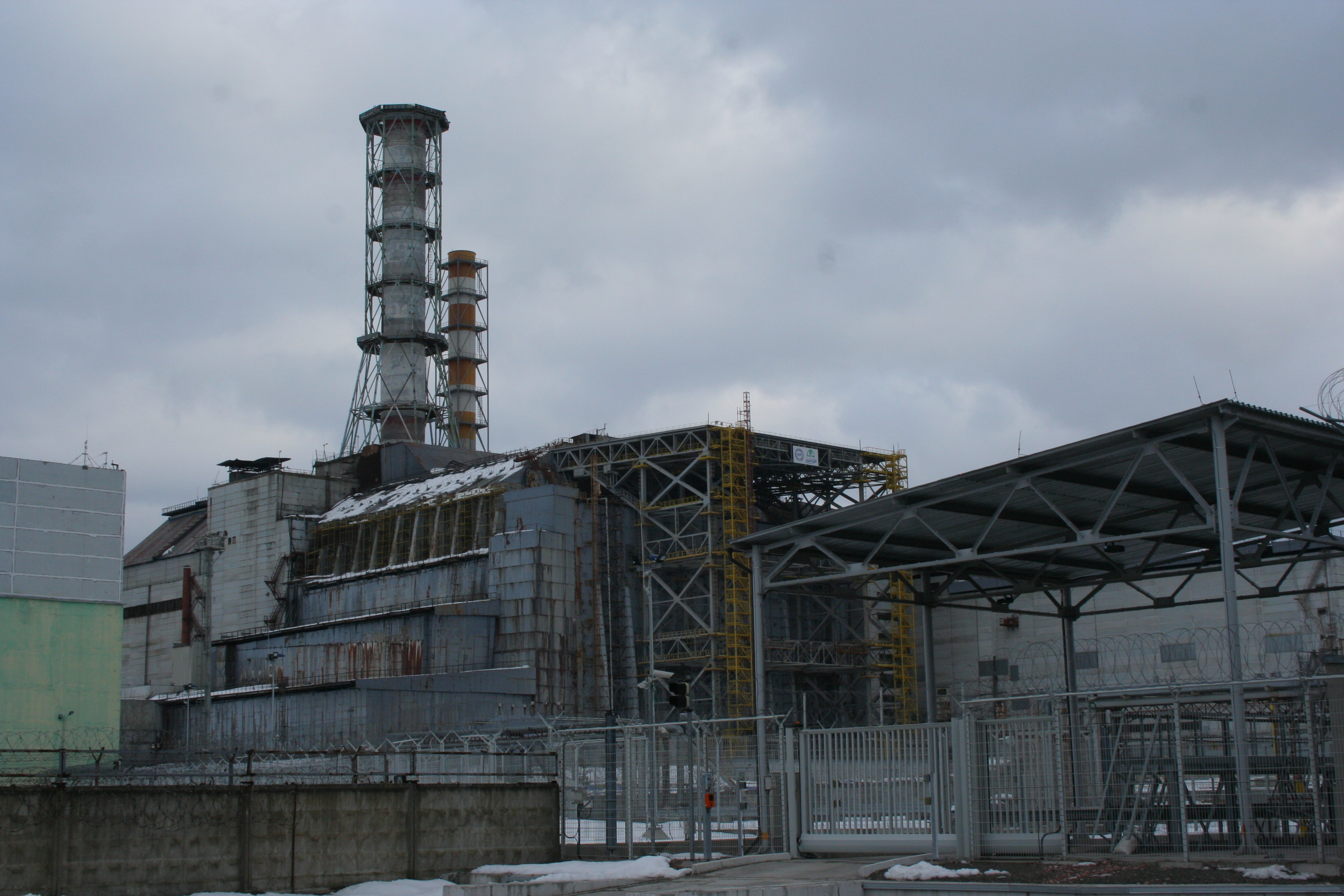
Within sight, reactor 4.
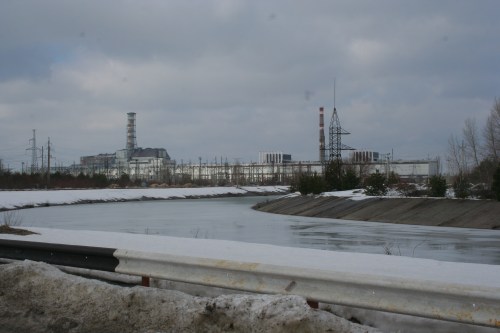
Reactor 4 is on the left. Within the concrete and steel shell that now covers it–called the sarcophagus–lie the remains of the nuclear reactor that melted down during a test of redundant safety mechanisms. Firefighters and other personnel rushed into the burning nightmare that must have been the inside of Chernobyl, on a suicide mission to contain the fire, open the cooling valves, and prevent the disaster from being one that would render Ukraine, and indeed much of central Europe, uninhabitable. They succeeded, though they lost their lives in the process.
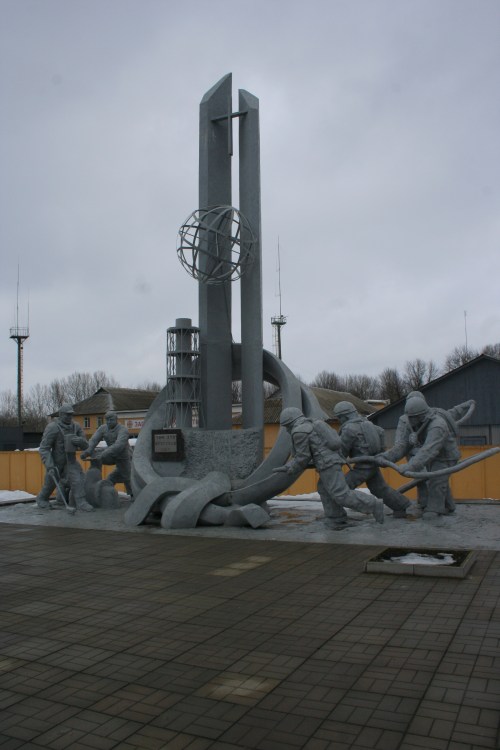
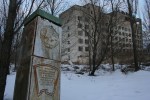
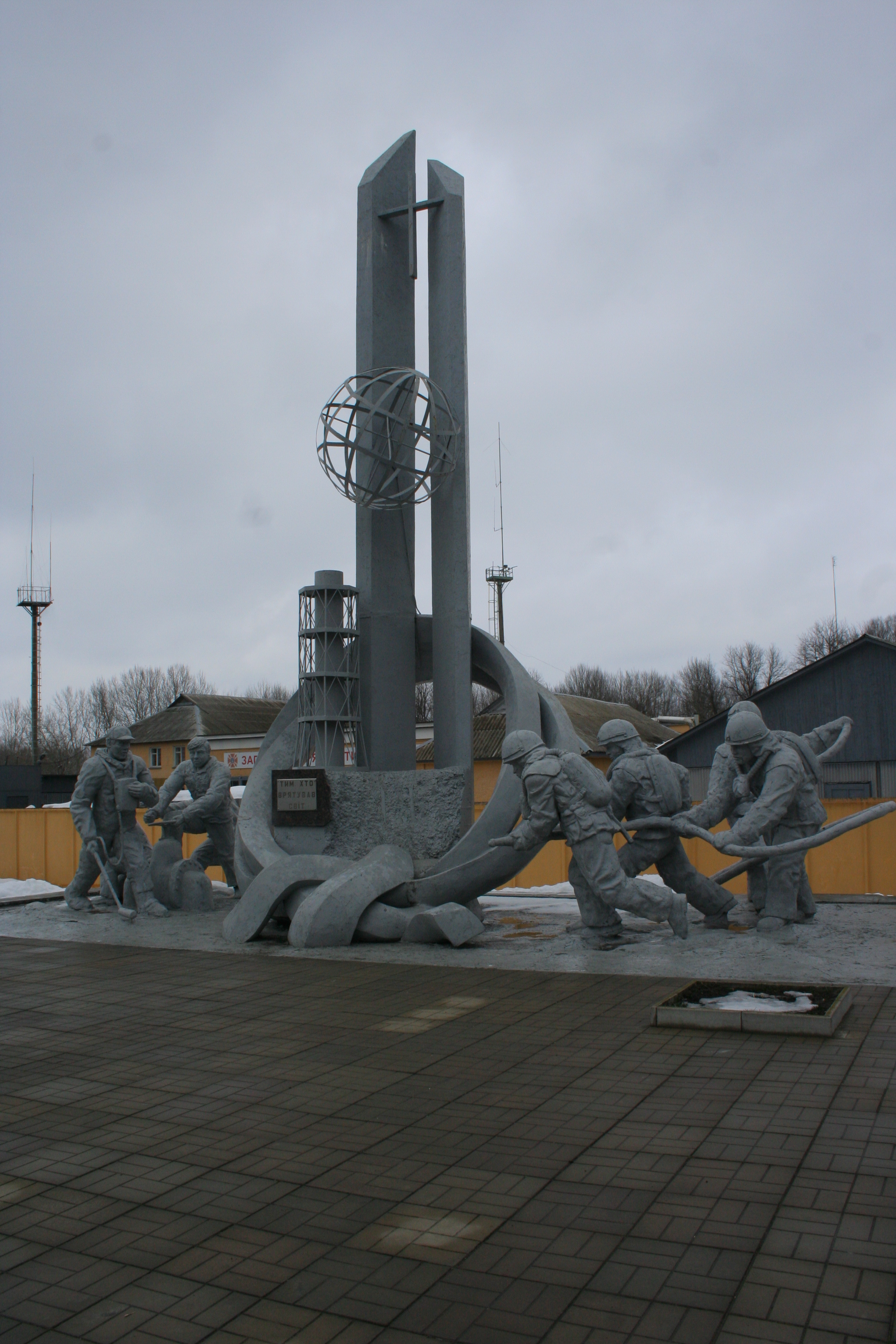
The inscription reads, “To Those Who Saved The World.”
But the work of cleanup continues on, for what’s left of the reactor remains.
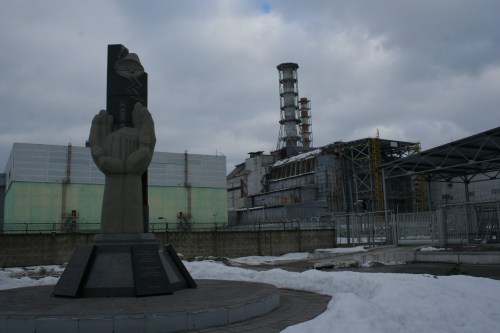
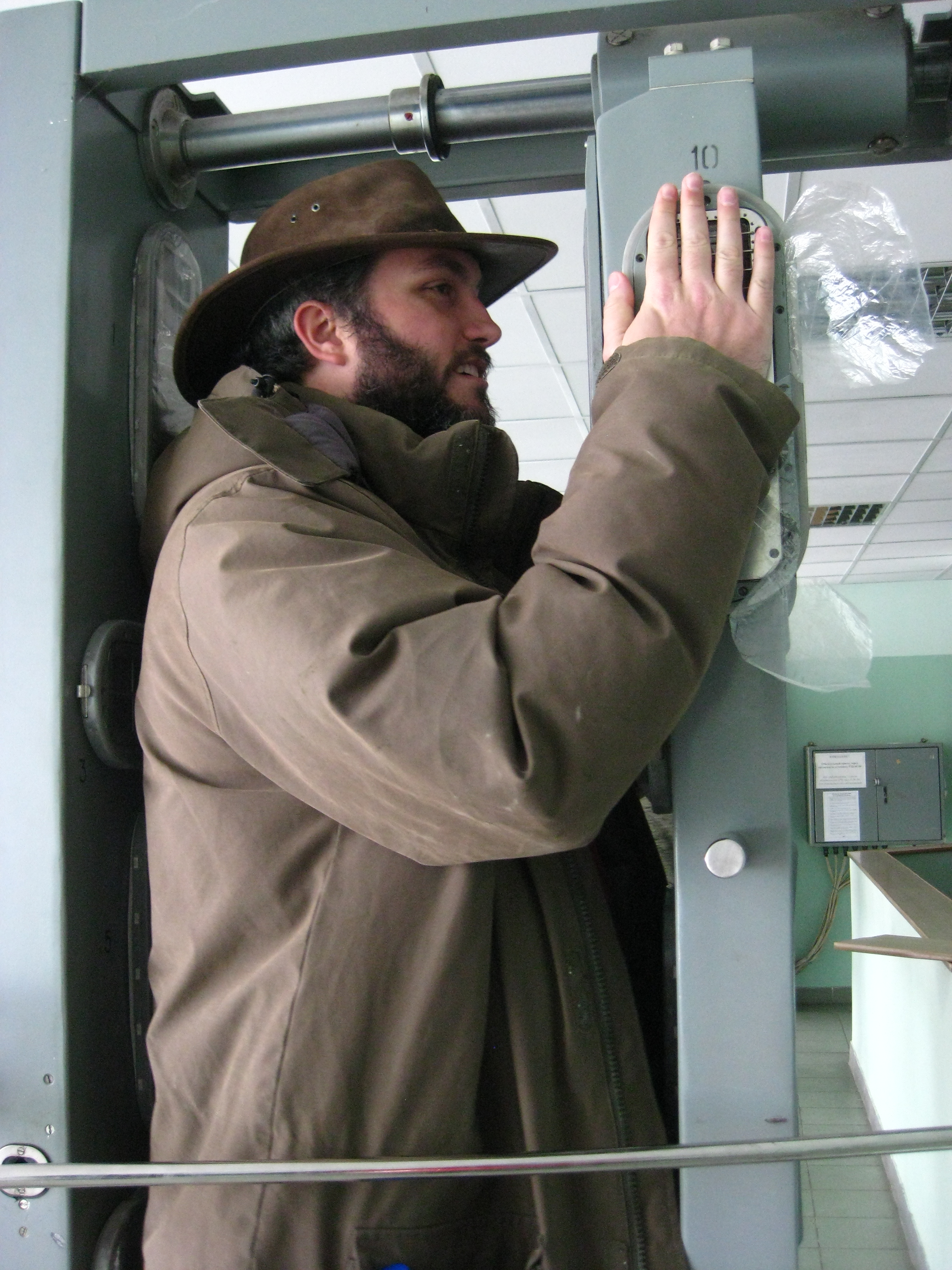
5,000 people work rotating shifts to maintain the sarcophagus and prevent a new disaster. They eat at a diner less than a quarter of a mile away from reactor 4, the object of their employment always within sight. We ate lunch with them. Before doing so, one must pass a radiation test, one of five that we underwent while in the area.
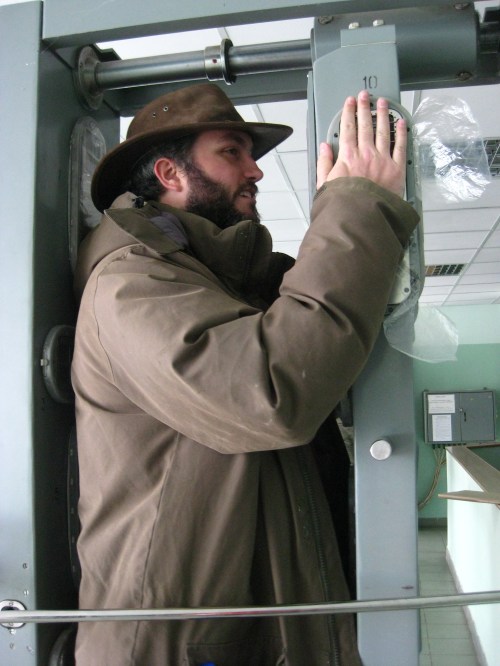
If you fail, they kill you. Or something. It was never quite clear what would happen if the green light failed to come on.
It is critical that the sarcophagus remain intact. “Fuel containing masses”–nuclear lava to the uninitiated, what you get when a reactor literally melts down–fill the building, having flowed red-hot through pipes and down hallways. Being in their presence–even for a few moments–is deadly. They will remain radioactive for 100,000 years, give or take a century. The sarcophagus, meanwhile, is falling apart. Enter Novarka.
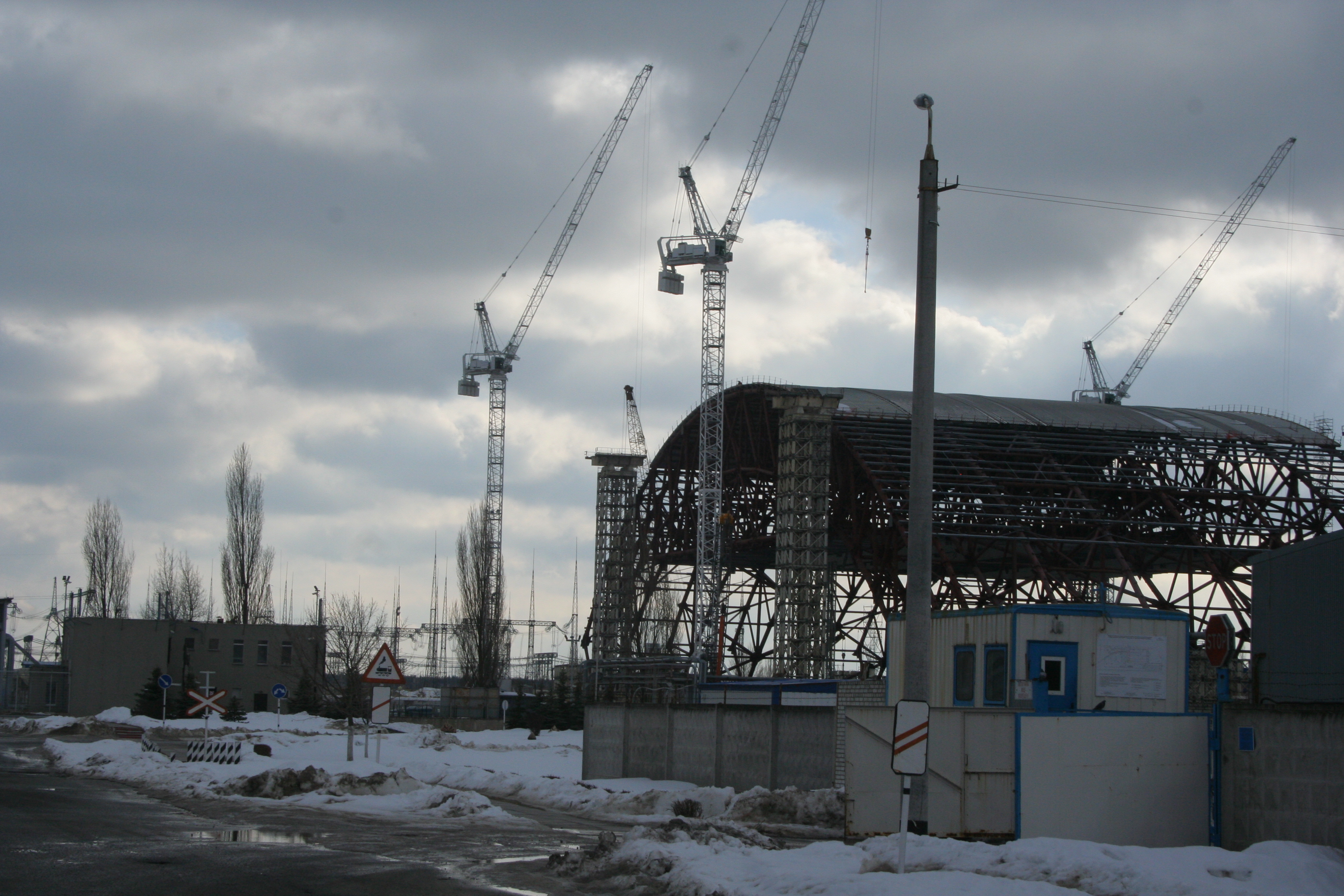
This is the new sarcophagus, 25% finished.
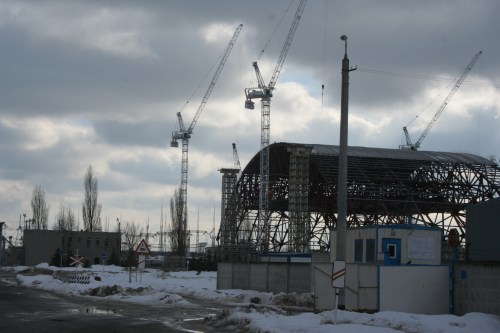
When completed, it will be slid by railroad tracks over the current tomb. At that point, the ends will be sealed, and the next phase of cleaning up the worst nuclear disaster in history begins–dismantling the plant and removing the nuclear waste.
But it is too late for Prypiat and the 50,000 residents who called it home. They were forced to leave with almost no notice, told to take supplies for the three days that they would be gone. Of course, they were never allowed to return. Their city is the quintessential ghost town, a modern-day Pompei. Here are some of the hundreds of images we took, a pale shadow of the awe-inspiring emptiness of the city.
-
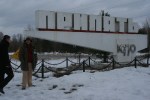
-
The sign for the town of Prypiat, one of the richest and most modern cities in all of the Soviet Union.
-
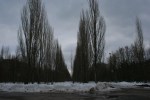
-
The main road into the city, now virtually impassable.
-
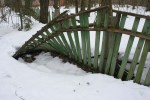
-
The biggest problem the people of Prypiat had was getting their kids into Kindergarten.
-
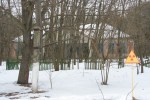
-
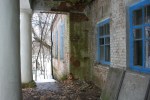
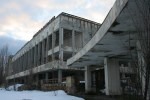
Here it is from the outside.
-
-
-

-
-
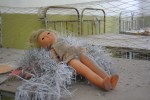
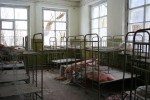
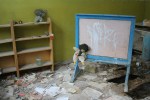
Creepy doesn’t begin to describe it.
-
-
-
-

-
-
-
-
-
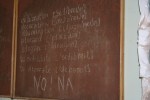
English class.
-
-
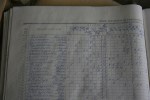
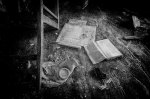
I am sure this grade book was the most important thing in the world to this teacher the day before the accident.
-

-

-
You see gas masks a lot.
-

-

-
What’s left of a chemistry class.
-
-
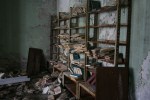
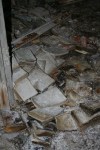
What’s left of a library.
-
-
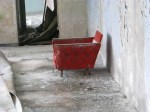
Everything was left behind.
-

-
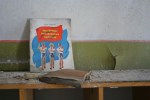
Yearbook, 1981.
-
-
-
-
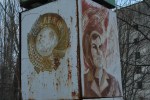
-
The last Soviet city in the world.
-
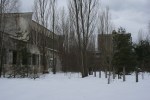
-
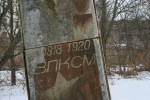
-
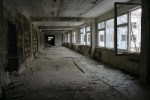
-
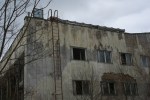
Technically, going in the buildings in Prypiat proper is not permitted. We skirted that rule by entering buildings on the outside of the city. And occasionally sneaking around so our guide didn’t stop us… I hear Ukrainian prisons are nice in the winter.
-
-
-
Map of Europe, circa 1985.
-

-

-
-
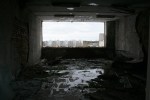
The place is falling apart.
-
-
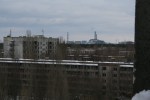
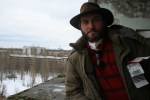
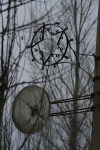
Chernobyl is so close, it is easily viewable from the city’s buildings.
-
-
And that is why the fallout was so dangerous.
-

-
-
-
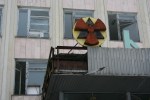
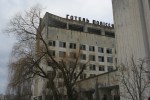
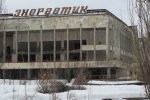
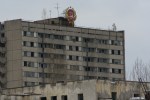
So ironic, the pride they felt for the facility.
-
-
-
-
-
-
-
-
-
-
-
-
-
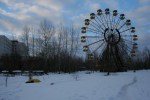
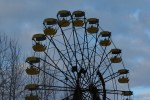
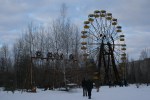
The most famous Ferris wheel in the world.
-
-
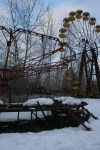
The park was meant to open on May Day, in celebration of the Soviet holiday.
-
-
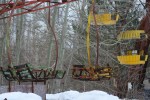
Children never played here.
-
-
The Ferris wheel never ran.
-
-

-
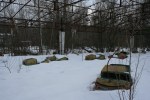
Bumper cars and all.
-
-

-
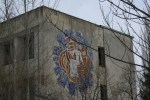
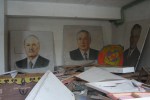
Propoganda for a celebration that never happened.
-
-
-

-
-
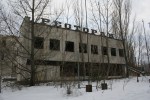
Restaurant, in Russian.
-
-
Boxing ring.
-
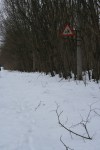
-
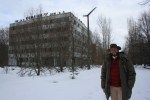
-
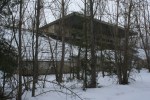
-
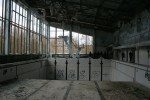
A soccer station that will never see another game.
-
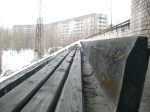
-

-
Map in the bus station.
-
-
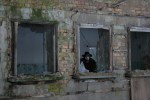
I wouldn’t buy a bus ticket from that guy.
-
-
-
-
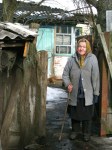
-
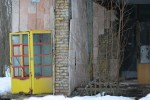
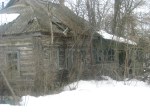
Some people returned to Prypiat, despite the evacuation orders. They live there still, radiation be damned.
-
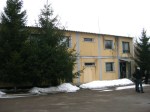
-
My five star accommodations.
-
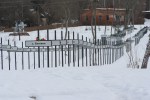
-
The names of all the villages that died that day.
-
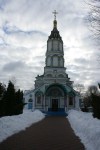
-
Religious faith survived the Communists and their nuclear disaster.
-
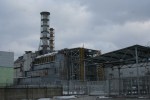
-
You can get close enough to hit it with a baseball.
-

-
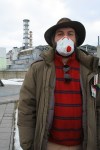
-
The mask is mostly for show…
And so we left Chernobyl behind, a place that we will never forget and that will never be completely the same.
Sign up for my email list! I promise not to spam you, and I’ll never give away your information. This is only for BIG announcements like new book releases or Pulitzer prizes won. That sort of thing. Click here to sign up!

 Starburst magazine, the world’s longest running magazine of science fiction, horror, and fantasy, has reviewed

 Something interesting happened yesterday. I was perusing the reviews of Limbus, Inc. and I came upon one that was quite fascinating. It was a so-so review—three stars—but in reference to my story they noted that they were able to predict the ending because it reminded them exactly of a movie they had seen. In the interest of not spoiling the film for everyone else, they declined to name it. Intrigued, and unable to figure it out, I sent them a message. They were kind enough to respond, and they told me the movie that it reminded them off.






 Beware The Shadows